12 November 2026
Building a Pressure Cleaning Maintenance Plan for Your Home
Presented by @beaumhar606
Pressure cleaning is often treated as a one-off job, something done when a driveway looks stained or a fence has turned green. A scheduled maintenance plan is more effective and usually cheaper over time. In Rockhampton, where the Central Queensland climate brings heat, humidity, summer storms and a lot of airborne dust, surfaces around the home collect grime, mould and algae faster than in many other parts of Australia. A plan that matches each surface to a sensible cleaning interval helps protect your investment and keeps the property looking its best.
Why Rockhampton Homes Need a Cleaning Schedule
Rockhampton has a subtropical climate https://capricornhousewashing.com.au/about/ with hot, humid summers and a distinct wet season. Moisture, warmth and shade are the conditions mould, mildew, lichen and algae thrive in. Red dust, pollen, tree debris and traffic residue add to the build-up, and in the Capricorn Coast area salt-laden air can also affect exposed surfaces.
Left alone, these contaminants do more than look unsightly. They can cause the following problems:
- Slip hazards: Algae and mould on pavers, steps, pool surrounds and patios make surfaces slippery when wet.
- Surface deterioration: Organic growth holds moisture against concrete, timber, render and roofing, which speeds up wear.
- Paint and coating failure: Dirt and mildew on walls can break down paint and make repainting less effective.
- Reduced kerb appeal: Stained driveways and mouldy walls can lower the presentation of a home, which matters if you plan to sell or rent it out.
- Higher repair costs: Regular light cleaning is generally less expensive than restoring heavily neglected surfaces.
Step One: Audit the Surfaces Around Your Property
Start by walking around your home and listing every surface that can be pressure cleaned. Note the material, how much sun or shade it gets, and how quickly it gets dirty. Common areas include:
- Concrete driveways and paths
- Paved patios, pool surrounds and outdoor entertaining areas
- Exterior walls (brick, render, weatherboard, Colorbond or cladding)
- Roofs (concrete tile, terracotta or metal)
- Gutters, fascia and eaves
- Timber decks and fences
- Garage floors and carport areas
- Retaining walls and garden edging
- Outdoor furniture, bins and pergolas
Photograph each area so you can compare its condition over time. Shaded south-facing walls, areas under trees and spots near garden beds or downpipes typically need attention more often than open, sunny areas.
Step Two: Match Cleaning Frequency to Each Surface
No single schedule suits every home, but the guidelines below are a practical starting point for Rockhampton conditions. Adjust them depending on tree cover, traffic, shade and how clean you want surfaces to look.
Driveways and Concrete Paths
Driveways cope with vehicle oil, tyre marks, dirt and organic growth. In most cases, cleaning once a year is enough, with a second clean for shaded sections or driveways that get a lot of use. Oil stains are easier to remove when treated early, so spot treat leaks as they happen rather than waiting for the annual clean.
Patios, Pavers and Pool Surrounds
These areas are used often and are prone to slippery algae, so cleaning every six to twelve months is a good guide. Pavers also benefit from re-sanding the joints after cleaning, because high pressure can remove jointing sand and leave pavers loose or prone to weed growth.
Exterior Walls and Cladding
Walls generally need cleaning every one to two years. Painted surfaces, rendered finishes and older weatherboards require lower pressure or a soft wash approach to avoid damage. Homes surrounded by dense vegetation, or with walls that stay damp, may need more frequent attention.
Roofs
Roof cleaning is usually needed less often, around every three to five years, depending on the roofing material and the amount of mould or lichen growth. Roofs should be cleaned with care. Concrete and terracotta tiles can be damaged by excessive pressure, and working at height is hazardous, so this is a job best left to trained professionals with proper safety equipment.
Gutters and Eaves
Gutters should be checked and cleared at least twice a year, and before the wet season in particular. Blocked gutters can cause overflow that stains walls and promotes mould, and in bushfire-prone areas they also collect dry leaf litter that is a fire hazard. Exterior gutter faces can be washed at the same time as the walls.
Timber Decks and Fences
Timber is more sensitive to pressure than concrete, so it needs a lower setting and the right technique to avoid furring or gouging the surface. Cleaning once a year is typical, and it works best when followed by a sealer, oil or stain to protect the timber from moisture and UV damage. Allow the timber to dry fully before applying any coating.
Step Three: Plan Around the Seasons
Timing matters in Central Queensland. A seasonal calendar makes the plan easy to follow and helps you avoid rushing jobs at the wrong time of year.
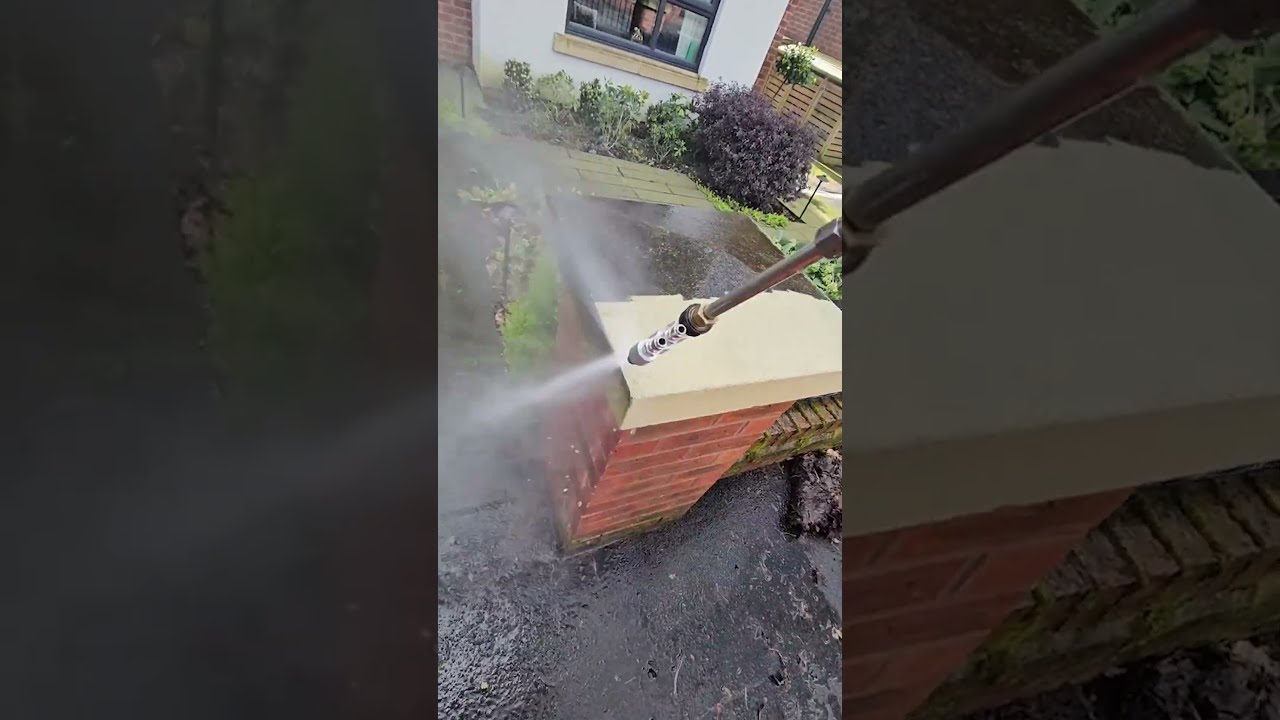
- Late winter to early spring (August to September): Dry, mild conditions suit larger jobs such as house washing, roof cleaning and deck restoration. Surfaces dry quickly, which is useful before sealing or painting.
- Before the wet season (October to November): Clear gutters and downpipes, and clean pavers and pool surrounds so surfaces are less slippery when storms arrive. This is also a good time to treat mould-prone areas.
- Mid wet season (January to March): Do spot cleaning only where growth or slip hazards appear. Heavy rain and humidity make this the least suitable time for major work or coatings.
- Autumn (April to May): Return to driveways, paths, fences and outdoor entertaining areas after the wet season, when mould and algae growth is at its peak.
Step Four: Choose the Right Method and Pressure
Pressure cleaning does not mean using maximum pressure everywhere. The appropriate method depends on the surface:
- High pressure: Suitable for hardy surfaces such as concrete driveways, garage floors and some paving.
- Low pressure or soft washing: Better for rendered walls, painted surfaces, cladding, roof tiles and timber. A cleaning solution does most of the work, which kills mould and algae at the source rather than blasting it off.
- Surface cleaners: Rotating attachments that give an even finish on large flat areas, avoiding the stripes sometimes left by a standard wand.
- Hot water systems: Useful for oil, grease and stubborn grime on commercial-style surfaces or heavily stained garage floors.
Using the wrong pressure can etch concrete, strip paint, damage seals around windows and doors, force water behind cladding and loosen roof tiles. If you are unsure about a surface, test a small, inconspicuous area first or speak with a professional.
Step Five: Decide What to DIY and What to Outsource
Many homeowners handle light maintenance themselves, such as sweeping, spot treating stains and rinsing small areas. Some jobs are better suited to professionals:
- Roof cleaning and any work at height
- Two-storey walls and hard-to-reach eaves
- Large driveways or extensive paving
- Delicate surfaces such as old render, soft timber or painted finishes
- Heavy mould, rust or oil staining that needs specialised treatment
Professional operators bring commercial-grade equipment, suitable detergents and knowledge of how to handle different materials. They are also familiar with managing wastewater and working safely around electrical fittings. A professional inspection once a year can also help you spot early problems such as cracked paving, damaged sealant or failing paint.
Step Six: Protect Surfaces After Cleaning
A clean surface is easier to maintain when it has some protection. Sealers can extend the time between cleans by reducing staining and moisture absorption. Consider the following:
- Sealing pavers, exposed aggregate and concrete to resist oil, dirt and moisture.
- Applying decking oil or stain to timber to limit weathering and mould.
- Repainting or recoating walls and fences once they are clean and dry, when paint is failing.
- Trimming overhanging branches to reduce shade, leaf litter and damp conditions.
- Improving drainage so water does not pool on paths and patios.
Environmental and Regulatory Considerations
Wastewater from pressure cleaning can contain detergents, oils, sediment and other contaminants. In Queensland, it should not be allowed to wash into stormwater drains, which flow untreated to local waterways, including the Fitzroy River system. Responsible cleaners use drain covers, collect or contain wastewater where required, and choose biodegradable cleaning products. If you hire a contractor, ask how they manage runoff. At home, direct wash water onto lawn or garden areas where suitable, and avoid using harsh chemicals near plants, ponds or pets.

Water use is another consideration. Local councils can introduce water restrictions in dry periods, so check current conditions before scheduling large cleaning jobs. Efficient equipment and surface cleaners can reduce water use compared with older methods.

Step Seven: Budget and Track Your Plan
Spreading cleaning tasks over the year makes costs easier to manage than leaving everything until a major restoration is needed. Keep a simple record that includes:
- The date each surface was last cleaned
- Products, sealers or coatings applied
- Contractor details and quotes
- Photos from before and after cleaning
- The next scheduled clean
A digital calendar with reminders works well. Many property owners also bundle services, such as washing the driveway, house exterior and gutters in a single visit, which can reduce the overall cost and make scheduling simpler. If you own an investment property, a maintenance plan also provides a useful record for property managers and can support inspections and sales.
Safety Tips for Home Pressure Cleaning
High-pressure water can cause serious injury and damage. If you carry out some of the work yourself, keep these points in mind:
- Wear closed-in footwear, eye protection and gloves.
- Never point the wand at people, pets, windows, light fittings or power points.
- Use a residual current device (RCD) with electric machines and keep leads away from wet areas.
- Avoid ladders when using pressure equipment, because the recoil can cause falls.
- Take care with cleaning chemicals, following label directions and never mixing products.
- Check that old paint was not lead-based before blasting older homes, as flaking paint can contain hazardous material.
Looking Ahead to 2027 and Beyond
Water-efficient equipment, biodegradable detergents and soft wash systems continue to grow in popularity as homeowners become more conscious of the environment and of protecting their surfaces. Planning your cleaning schedule now, and reviewing it each year, means you are ready to adopt better methods as they become available in 2027 and beyond. A yearly review also lets you adjust frequencies as trees grow, landscaping changes or a surface begins to age.
Conclusion
A pressure cleaning maintenance plan turns reactive cleaning into a straightforward routine. By auditing your property, setting a schedule for each surface, timing work around Rockhampton's seasons, using the correct pressure and protecting surfaces afterwards, you reduce slip hazards, slow deterioration and keep your home looking good year-round. Whether you tackle the small jobs yourself or engage a local professional for larger tasks, a documented plan makes sure nothing is overlooked and helps spread the cost of upkeep over time.
Capricorn House Washing
0482 073 600